


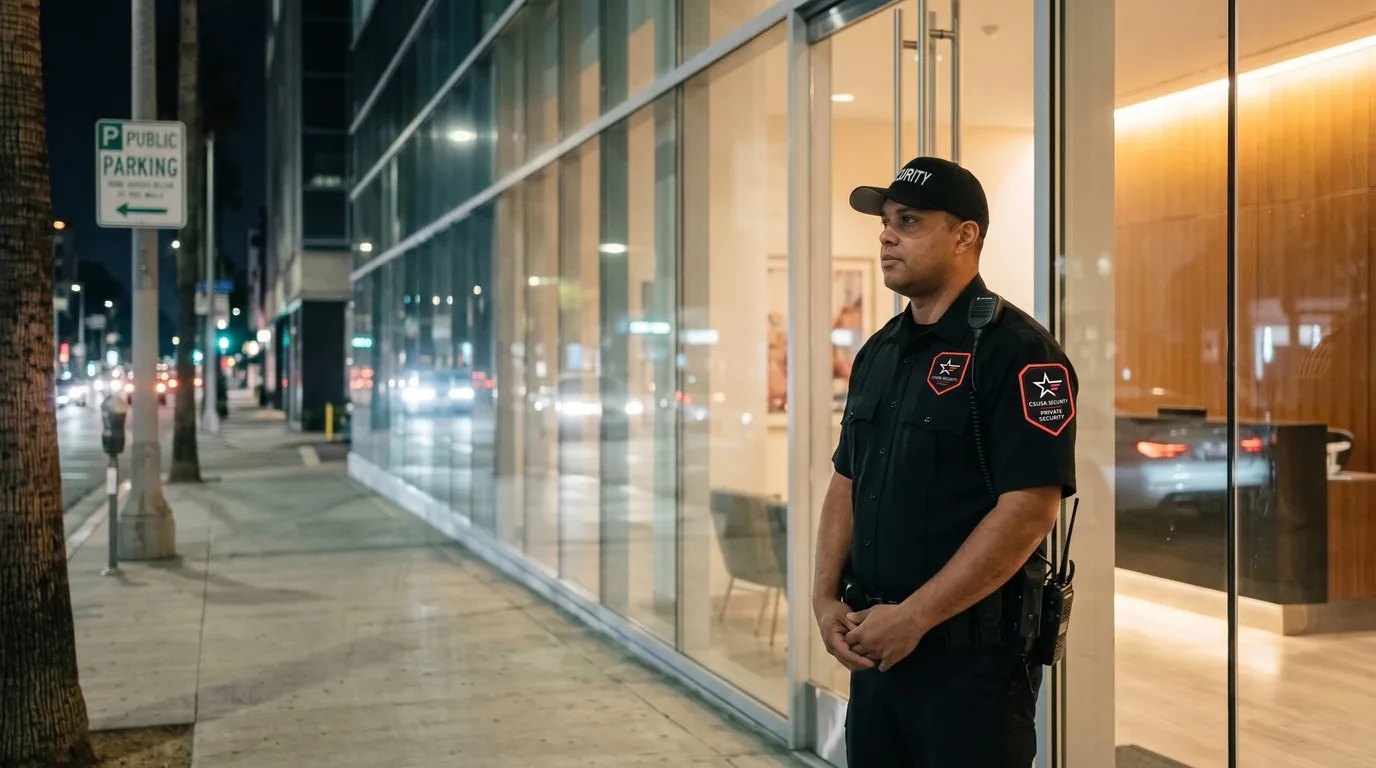
What do unarmed security guards do?
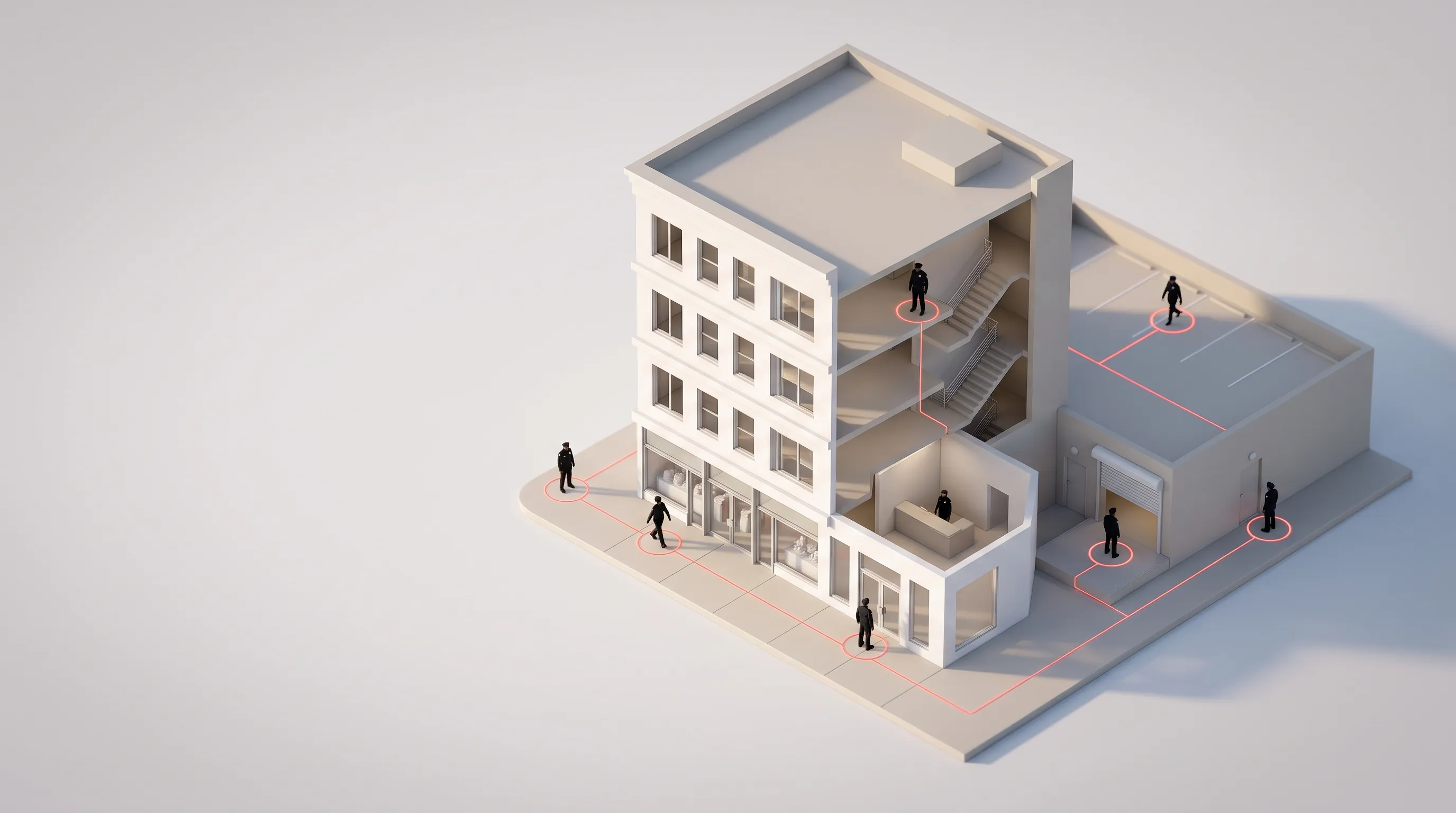
Unarmed security guards protect a site by being present and visible. They watch entrances, check IDs, patrol, and call police or dispatch when something goes wrong. Most buildings, stores, offices and events need unarmed guards. CSUSA guards are licensed in their state and employed by CSUSA.
How we work
The greatest deterrent is human presence.
Vigilant.
Accountable.
Visible.
Stopping incidents before they start.
On every shift
What the officer does
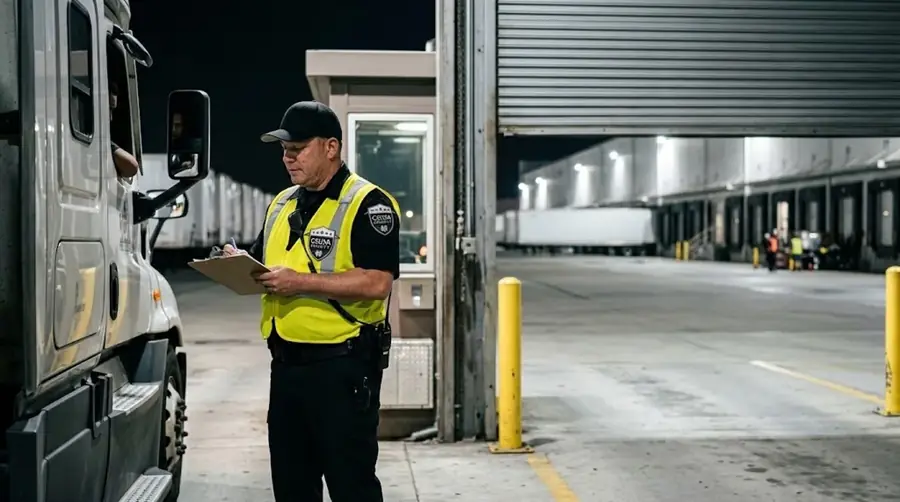
- Holds the post you set, from the front door to the loading dock.
- Checks visitors, deliveries and contractors in and out.
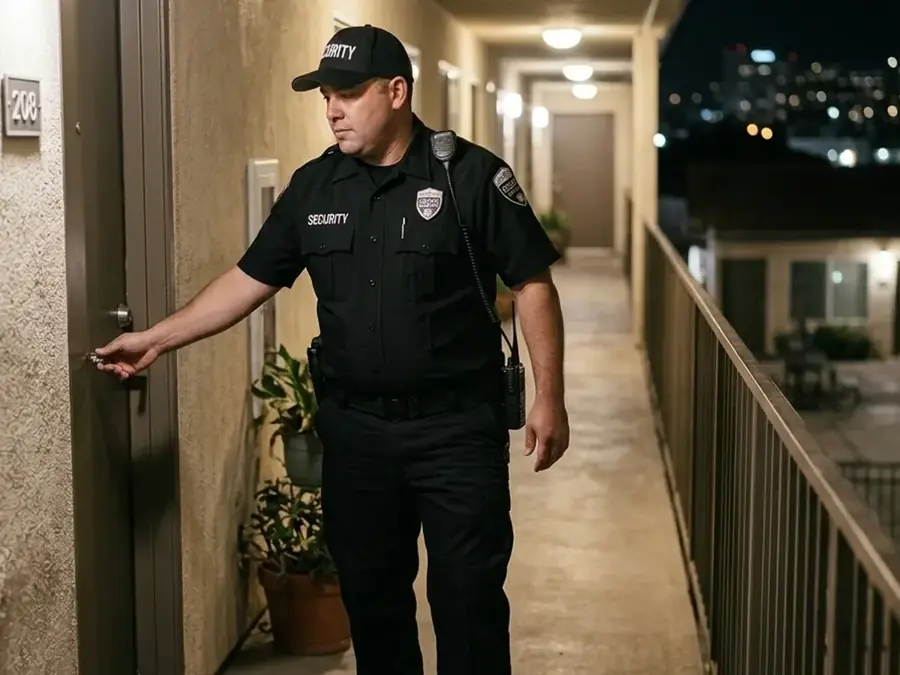
- Walks the property on a schedule and handles trespass and loitering early and calmly.
- Calls dispatch and your manager the moment something needs attention.
- Writes a daily activity report with photos you can read the next morning.
Duty gear · California
What an unarmed guard typically carries
The usual kit on an unarmed post in California. No firearm. What your officers carry is written into your site’s post orders.
State permit or courseNo permit needed
 01●
Guard card
Carried on dutyThe state guard card stays on the officer for the whole shift.
 02
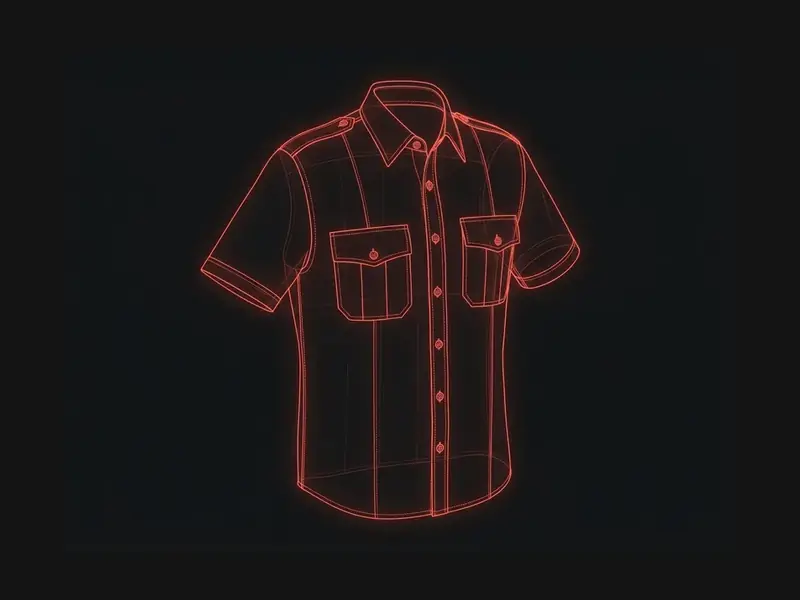
Uniform
Company issueMarked with the company name, so everyone on site knows who the officer is.
 03
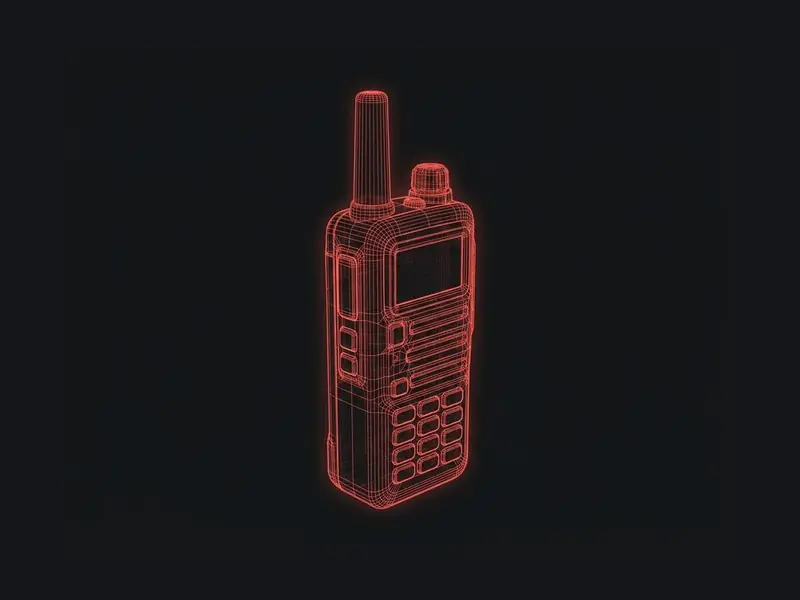
Two-way radio
CommsLinked to the field supervisor and CSUSA dispatch.
 04
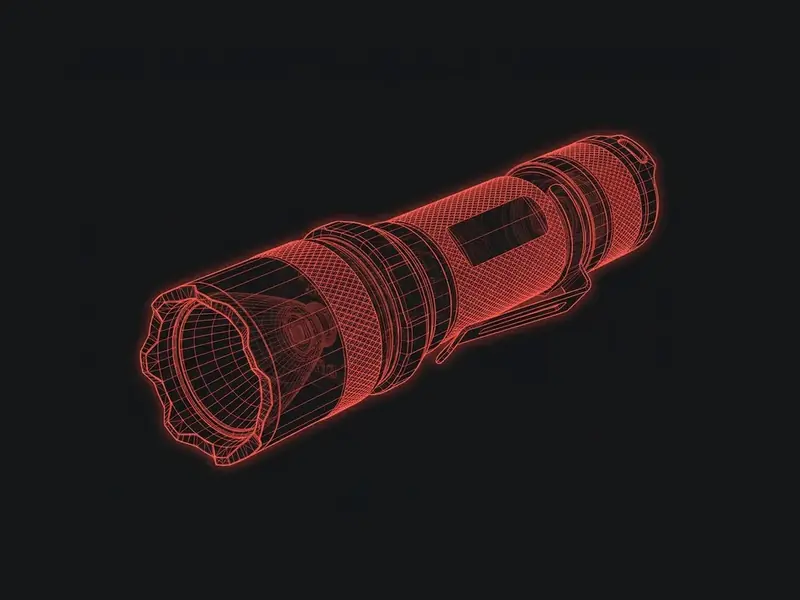
Flashlight
Everyday carryFor night rounds, doors, docks and lots.
 05●
Handcuffs
Powers to ArrestCovered by the arrest training every guard completes before the state issues a guard card.
 06●
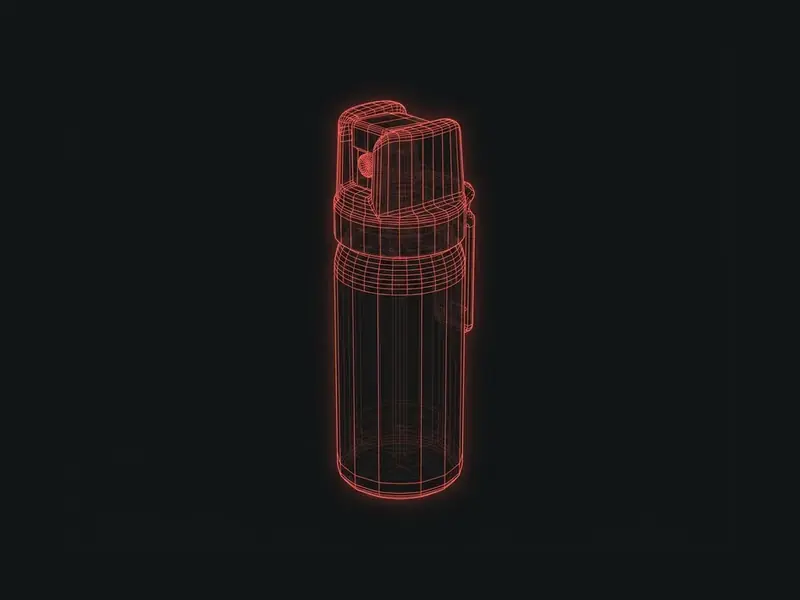
Pepper spray
Tear gas courseCarried on duty after a state-approved chemical agent course.
 07●
Baton
Baton permitOptional. Needs its own BSIS permit and an approved course.
 08
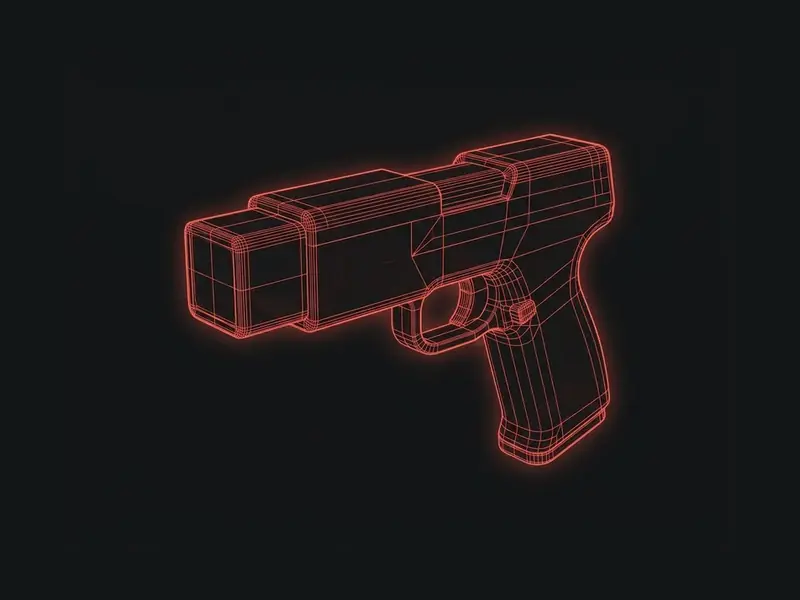
Taser
Post ordersOptional. No state permit; carried only where the post orders allow it.
 09
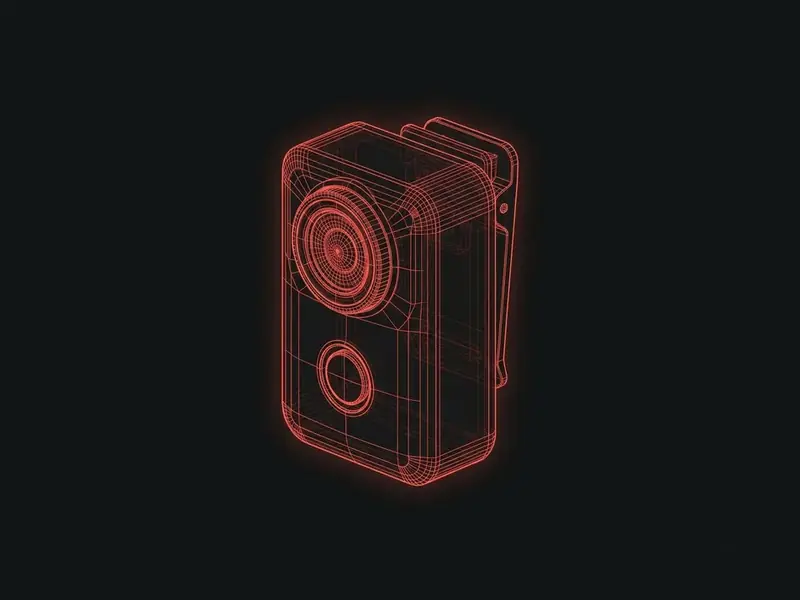
Body camera
Post ordersOptional. Worn where the client wants contacts on video.
 10
Phone for reports
Daily activity reportNotes and photos for the report you read the next morning.
This is an example loadout, not a fixed issue. Equipment varies by post, client and state, and many unarmed officers carry no baton or Taser at all. Permits and courses shown are the ones California’s Bureau of Security and Investigative Services (BSIS) requires. Nevada, Florida, New York, Texas and Arizona set their own rules.
Unarmed security guards in detail
Most sites need presence, not a weapon
An officer who is visible and paying attention stops most problems before they start. Unarmed security guards watch entrances, check IDs, walk the property and deal with people politely and firmly. When something goes beyond what a guard should handle, they call police and dispatch and keep everyone informed until help arrives.
Where unarmed guards work
CSUSA places unarmed security guards in office lobbies, residential buildings, retail stores, warehouses, parking structures and events. Coverage can be a single post for a few hours or round-the-clock teams across several buildings. The Free Security Assessment sets the posts and hours your site actually needs.
Licensed, trained and supervised
Every CSUSA guard is licensed in the state they work in. In California that means a BSIS guard card with 40 hours of state-mandated training. Officers learn your post orders before the first shift, field supervisors check on posts, and dispatch backs every officer. You get a daily activity report for every day of coverage.
Every guard is a CSUSA employee
CSUSA hires, trains and supervises every guard it sends, and the price on your quote is the price you pay.
Case study 06
Client name withheld
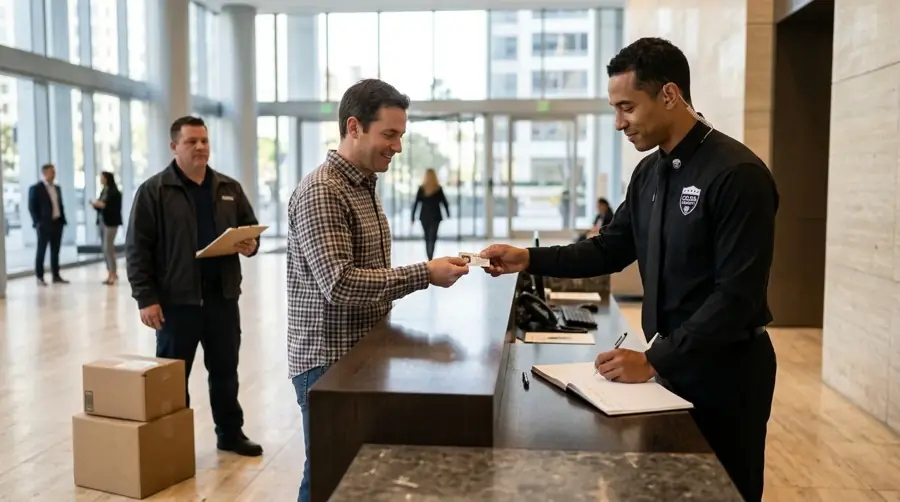
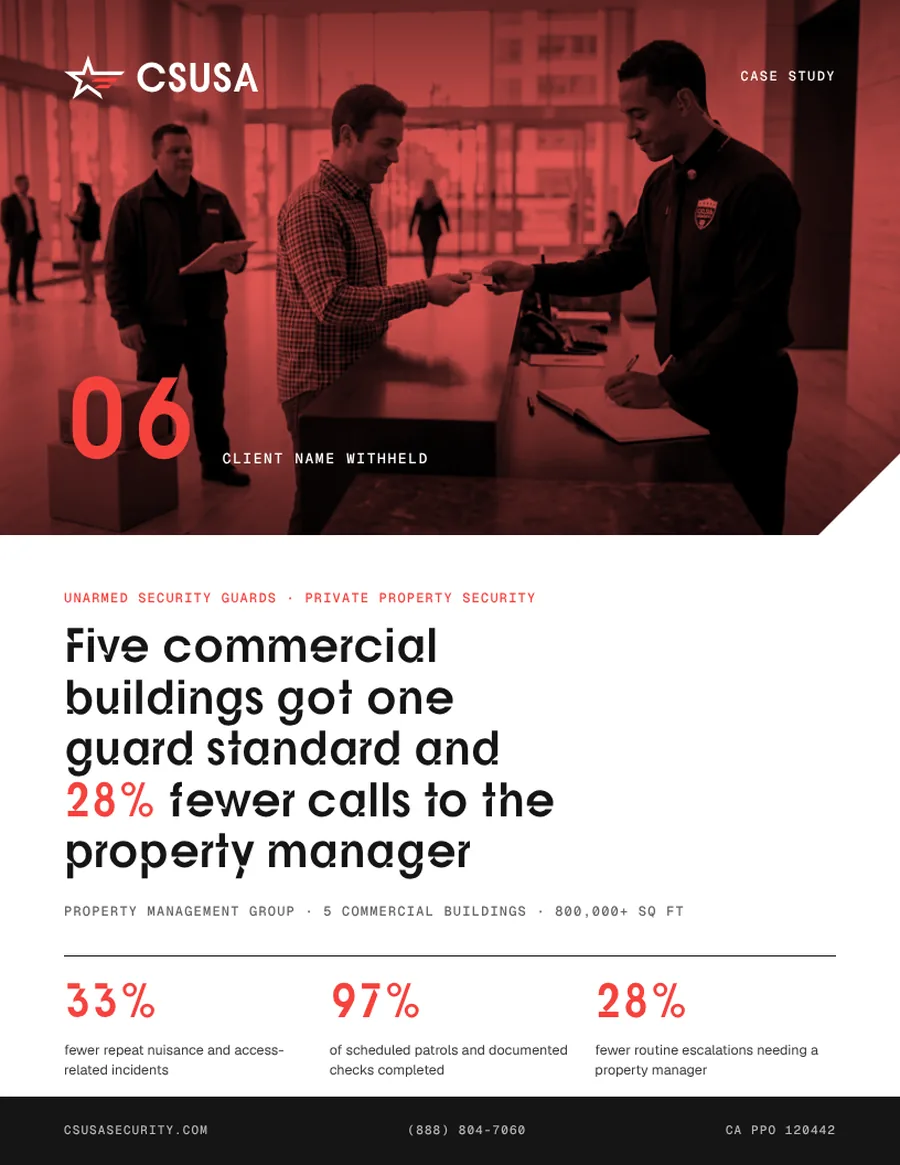
Five commercial buildings got one guard standard and 28% fewer calls to the property manager
- 01
The problem
Each of the five buildings had its own guard routine, report format and way of dealing with tenants. Property managers spent too much time on routine issues and could not compare one building with another.
- 02
What we put in place
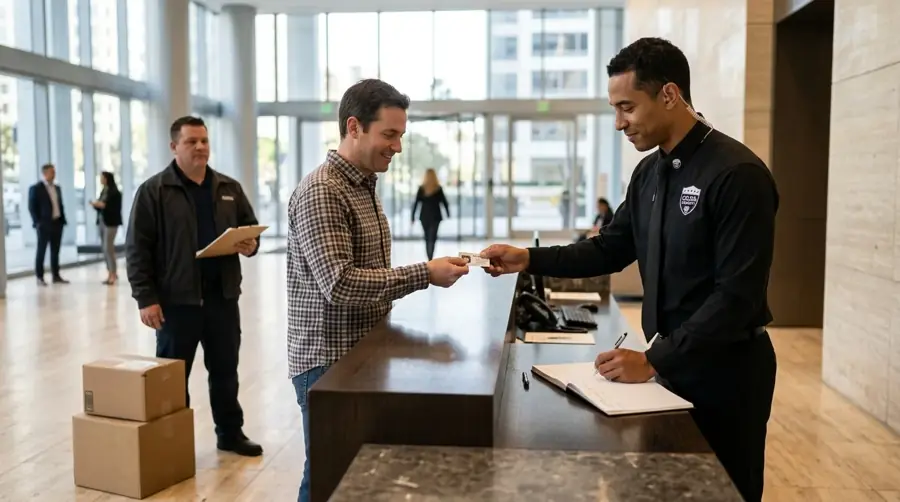
We built one operating framework for the portfolio with post orders for each building. Unarmed officers cover lobbies, visitor and vendor sign-in, patrols, parking and safety checks, and every site reports in the same format.
- 03
The result
Over 180 days, repeat nuisance and access incidents fell 33%, and routine escalations that needed a property manager fell 28%. Officers completed 97% of scheduled patrols and checks.
- fewer repeat nuisance and access-related incidents
- 33%
- of scheduled patrols and documented checks completed
- 97%
- fewer routine escalations needing a property manager
- 28%
Full case study · PDF
How CSUSA gave a property management group the same guard program, reports and reviews across its whole portfolio.
How it starts
Talk to a security expert
Tell us about the site, the hours and the posts you need.
Call (888) 804-7060Free Security Assessment
A supervisor walks the site and writes the post orders.
Book your Free Security AssessmentOfficers on post
Coverage starts on the date you agree on, with a supervisor checking in.
See case studiesQuestions
How much do unarmed security guards cost?
Rates are hourly and depend on the hours, the number of posts and how long the engagement runs. Ongoing contracts cost less per hour than one-off coverage. You get the rate in writing after the Free Security Assessment, with no setup fees.
Are your guards licensed?
Yes. CSUSA Security is a licensed private patrol operator in California (PPO 120442), and every officer holds a state guard card. We also hold security licenses in Florida, Nevada, New York, Texas and Arizona.
Do I need armed or unarmed guards?
Most offices, apartments and retail sites are well served by unarmed officers. Armed officers make sense for cash handling, high-value inventory, prior incidents or sites with known risks. We recommend one or the other after the Free Security Assessment.
Is there a minimum contract?
No. Coverage runs month to month, you commit only to the rate on your quote, and that rate is locked for the life of the agreement. Overtime and holiday pay are on us, so the invoice matches the quote.
Are the officers CSUSA employees?
Yes. Every officer on your site works for CSUSA and reports to a CSUSA supervisor, with dispatch behind them.

Awards and affiliations