


A family office got one security plan for three homes and kept its privacy
How CSUSA set up a discreet program for a private estate portfolio with frequent travel and a changing cast of staff and vendors.
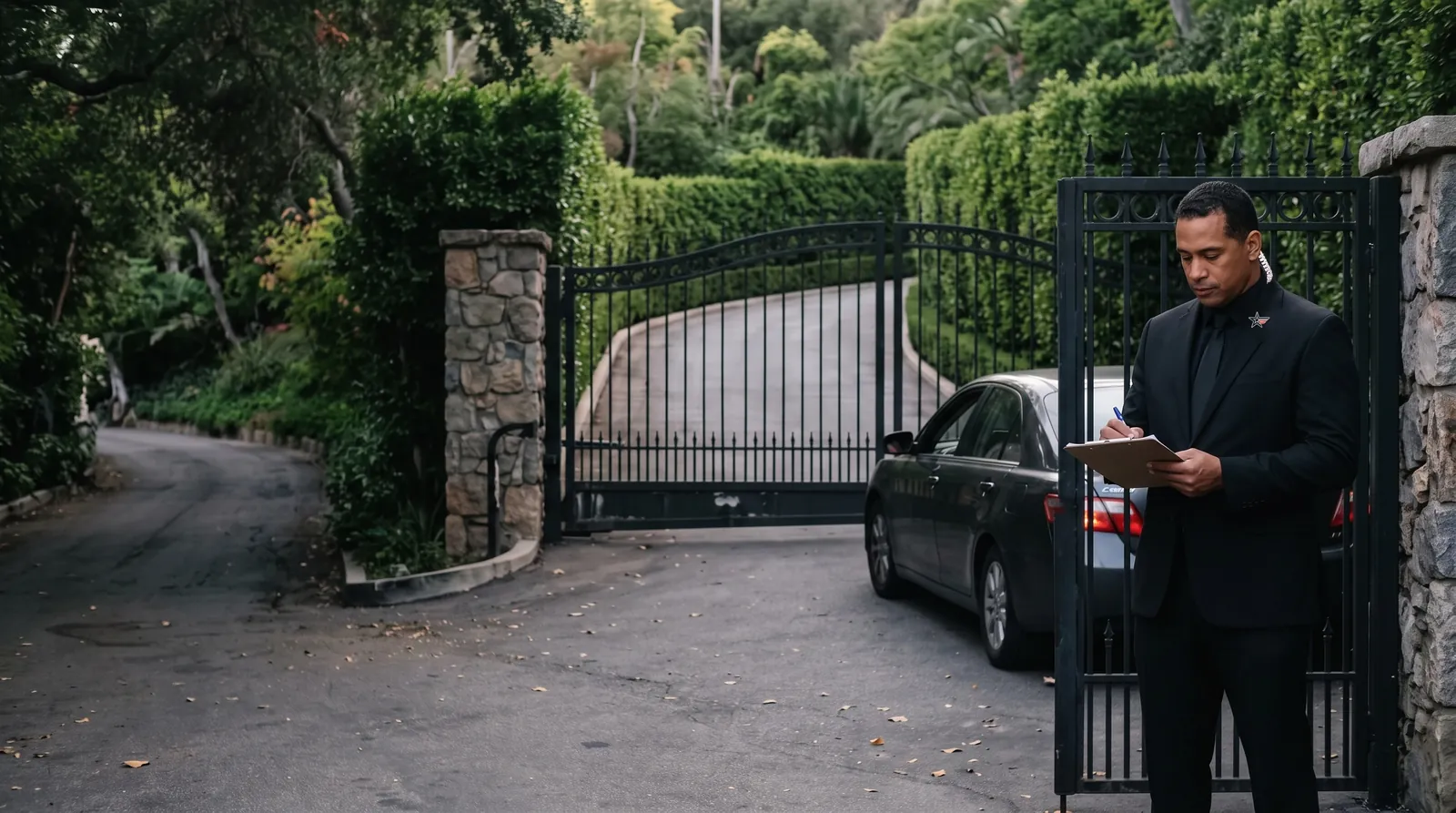
The situation
A family office looked after several private residences. The principals traveled often, household staff and vendors changed from week to week, and service providers needed access at different hours.
Security was split up. Household staff coordinated visitors, local vendors ran occasional patrols, and nobody had one picture of all the properties.
What the family needed
They wanted protection visible enough to put off unwanted visitors and quiet enough that the household could run as usual. In practice that meant:
- Controlled access for visitors and contractors
- Reliable arrival and departure procedures
- Eyes on the perimeter after hours
- Security that follows the travel schedule
- A clear escalation path when an unfamiliar person or vehicle shows up
What CSUSA put in place
We started with a site and lifestyle assessment: layouts, access points, lighting, the perimeter, staff routines, travel patterns and emergency contacts. The security plan that came out of it set post orders, escalation thresholds and communication rules for each property.
An assigned security lead runs a consistent team of screened, trained officers. Their coverage includes:
- Access control at each residence
- Exterior patrols, some scheduled and some at random
- Check-in of every visitor and vendor
- Opening and closing checks
- Support for planned executive movements on request
Officers are courteous with household staff, guests and expected vendors. Sensitive information goes out on a need-to-know basis, and shift briefings and written activity reports keep the work consistent when officers rotate.
Management gets a short activity summary and an exception report. Anything significant goes straight up the agreed contact tree. We review the plan whenever travel, staffing or use of a property changes.
Results
- fewer reportable security exceptions after six months
- 35%
- of scheduled perimeter and access checks documented
- 100%
- unauthorized vendor entries in the final 90-day review
- 0
Figures from the first six months of the program.
What we measure
Clients often judge estate security by how many officers they can see. We judge it on planning, discretion, consistency and communication, and we track:
- Access exceptions
- Verified visitor and vendor entries
- Patrol completion
- Response and escalation times
- Support for executive movements
- Feedback from the client and household
Next case studyA Class A office tower cut lobby access exceptions by 42% and kept its welcome warm